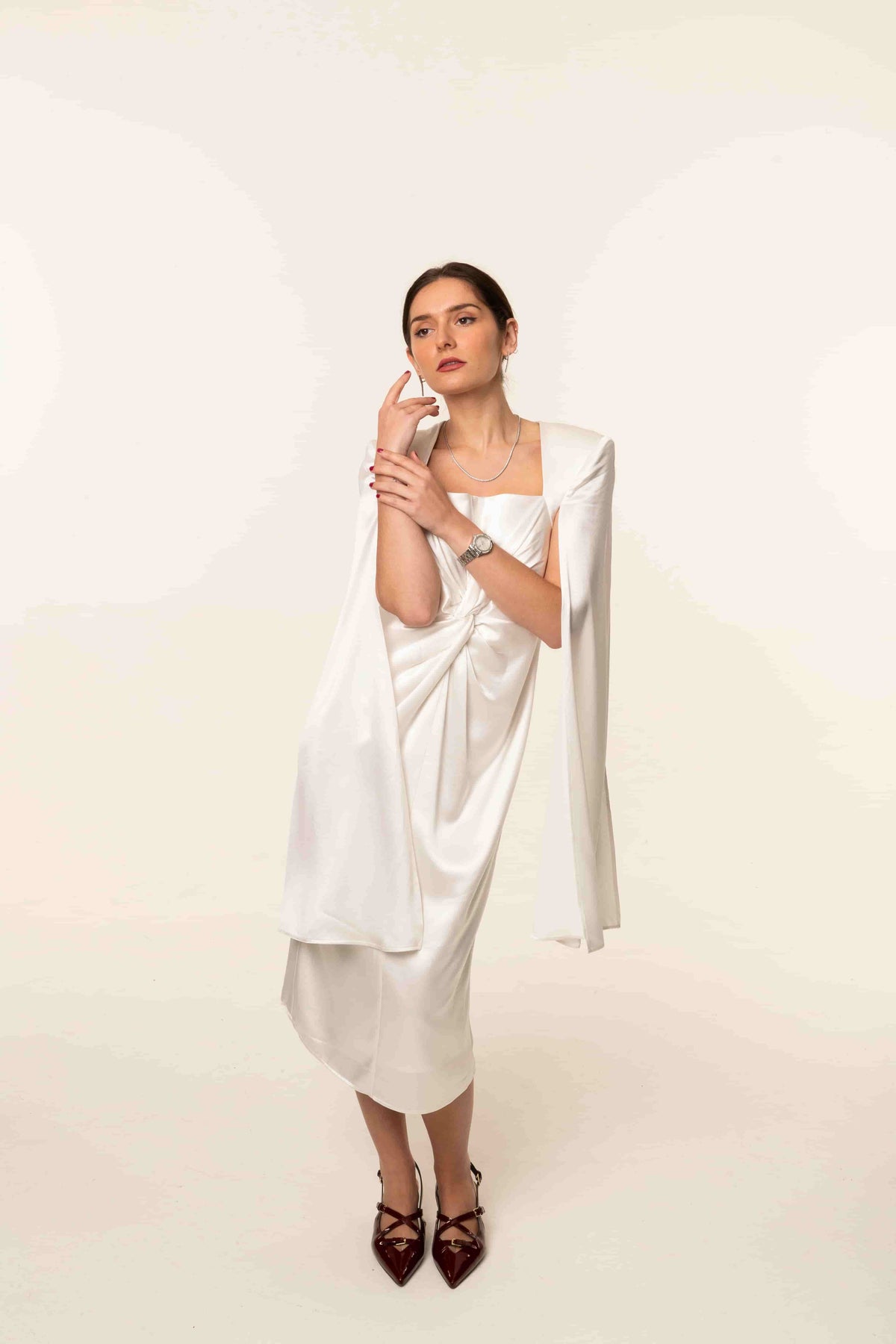
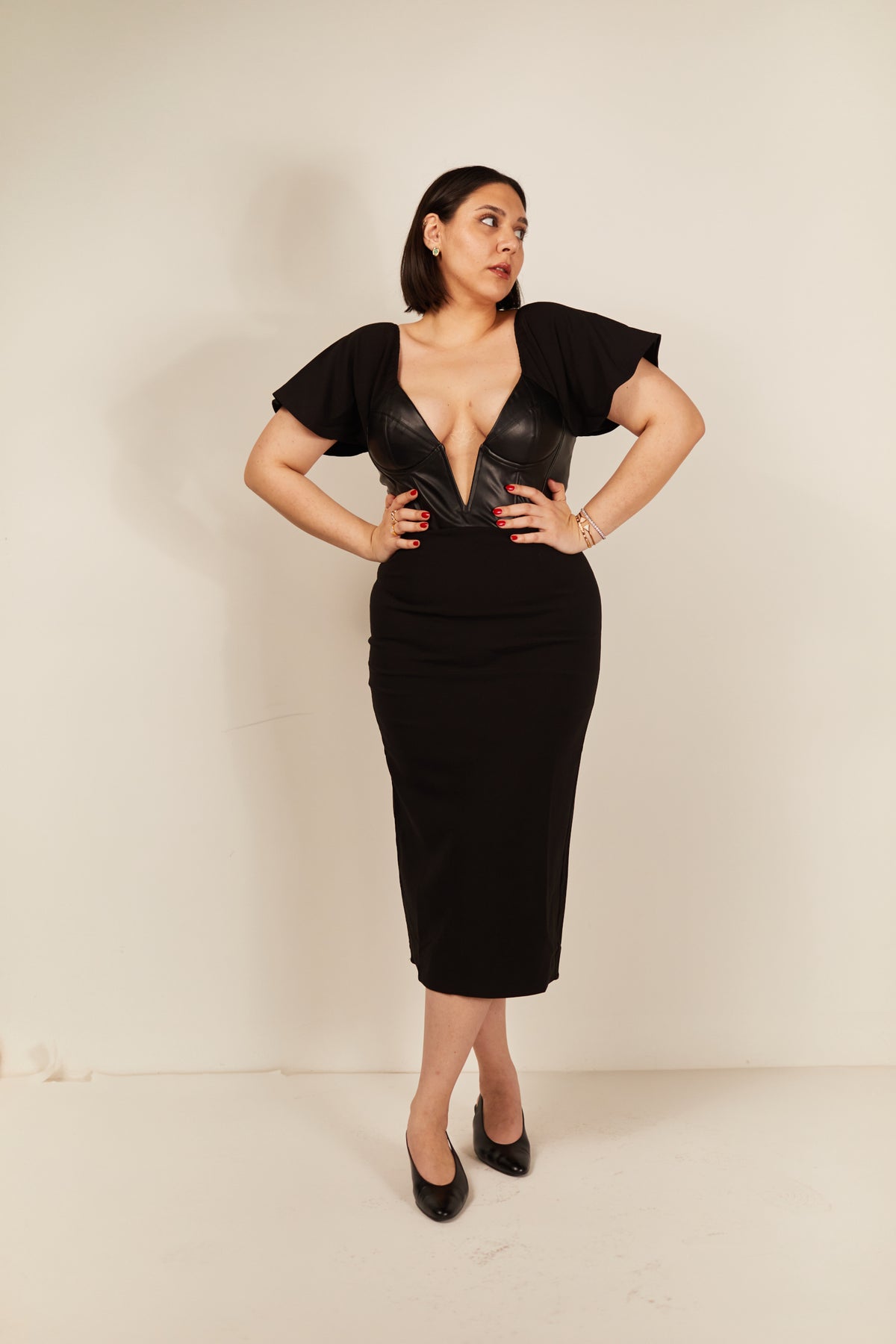
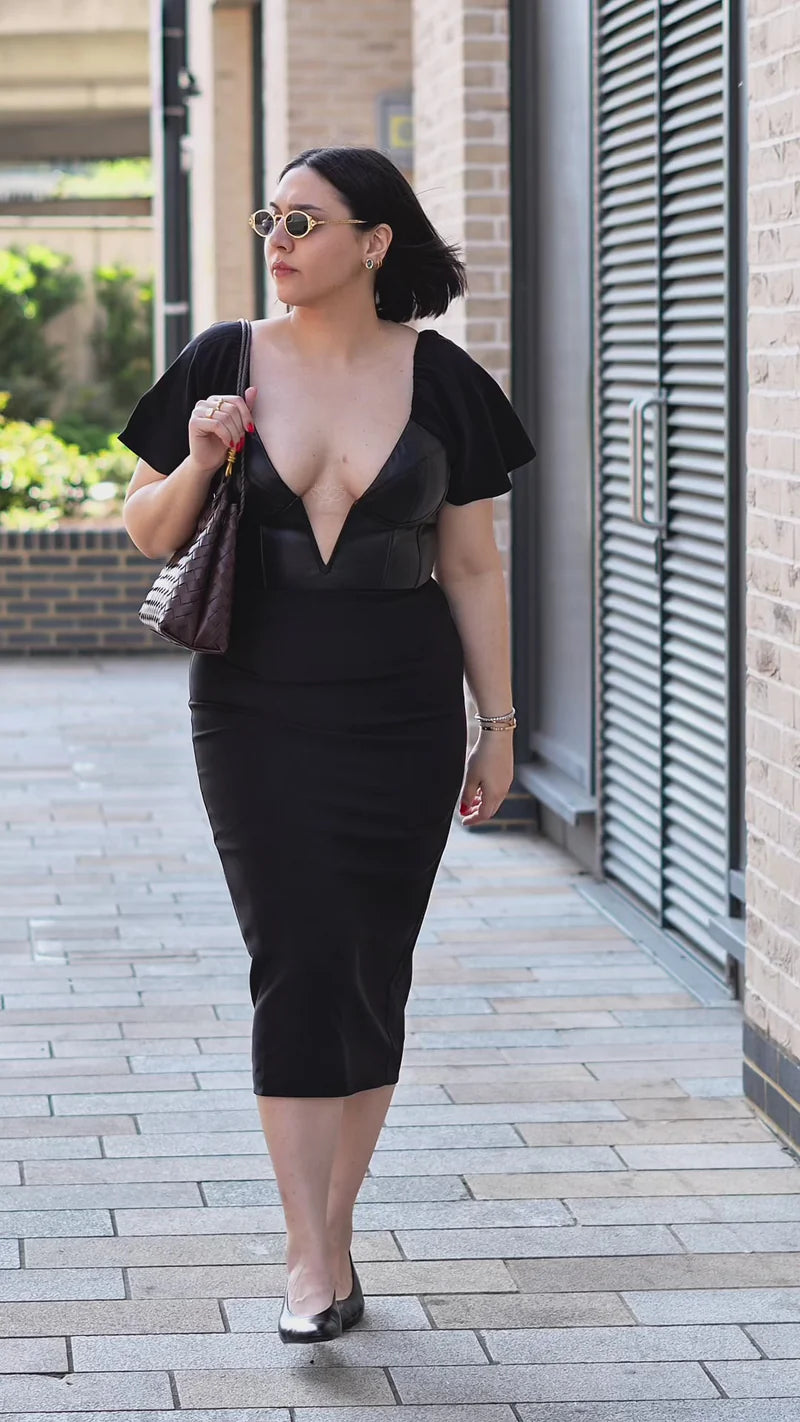
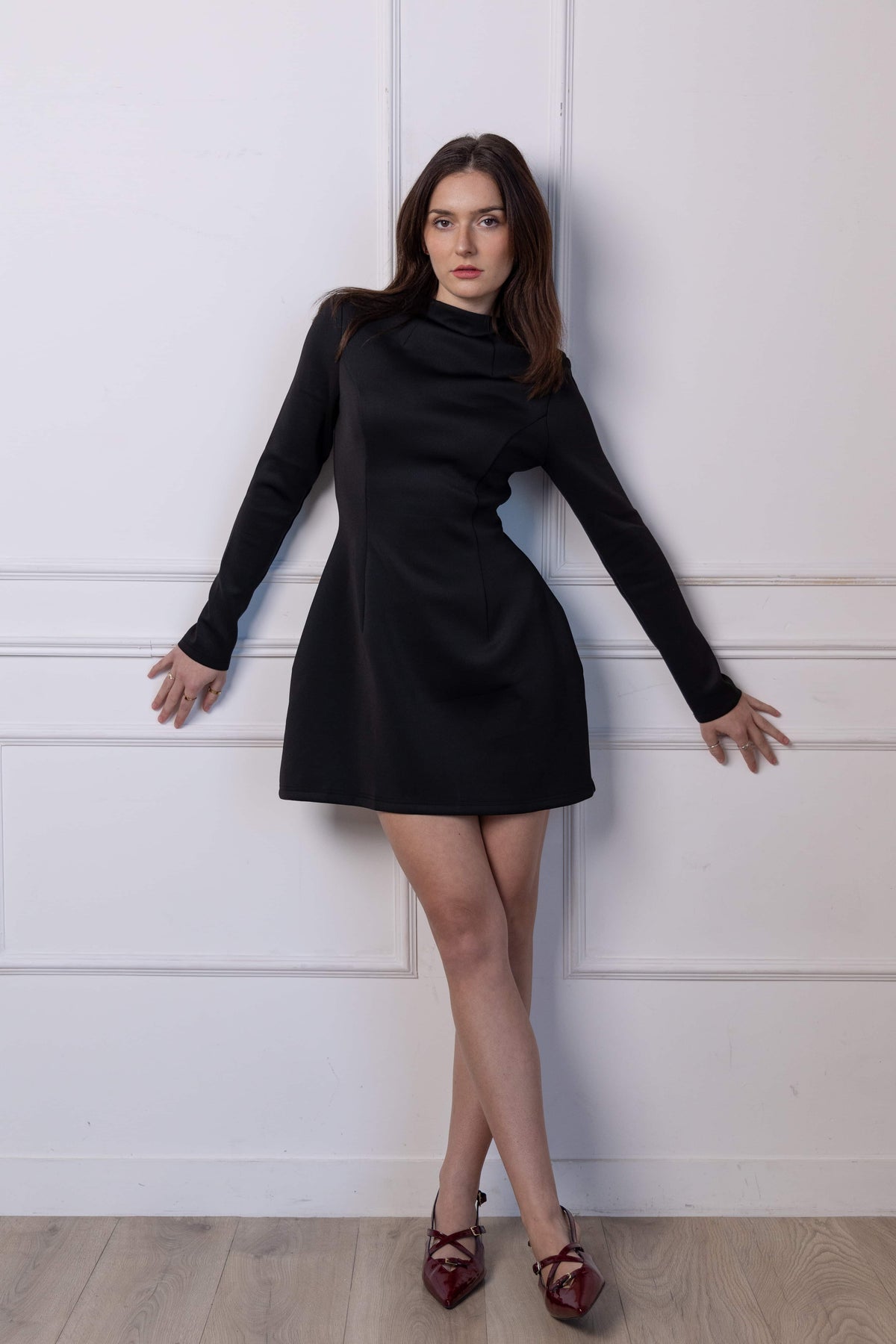
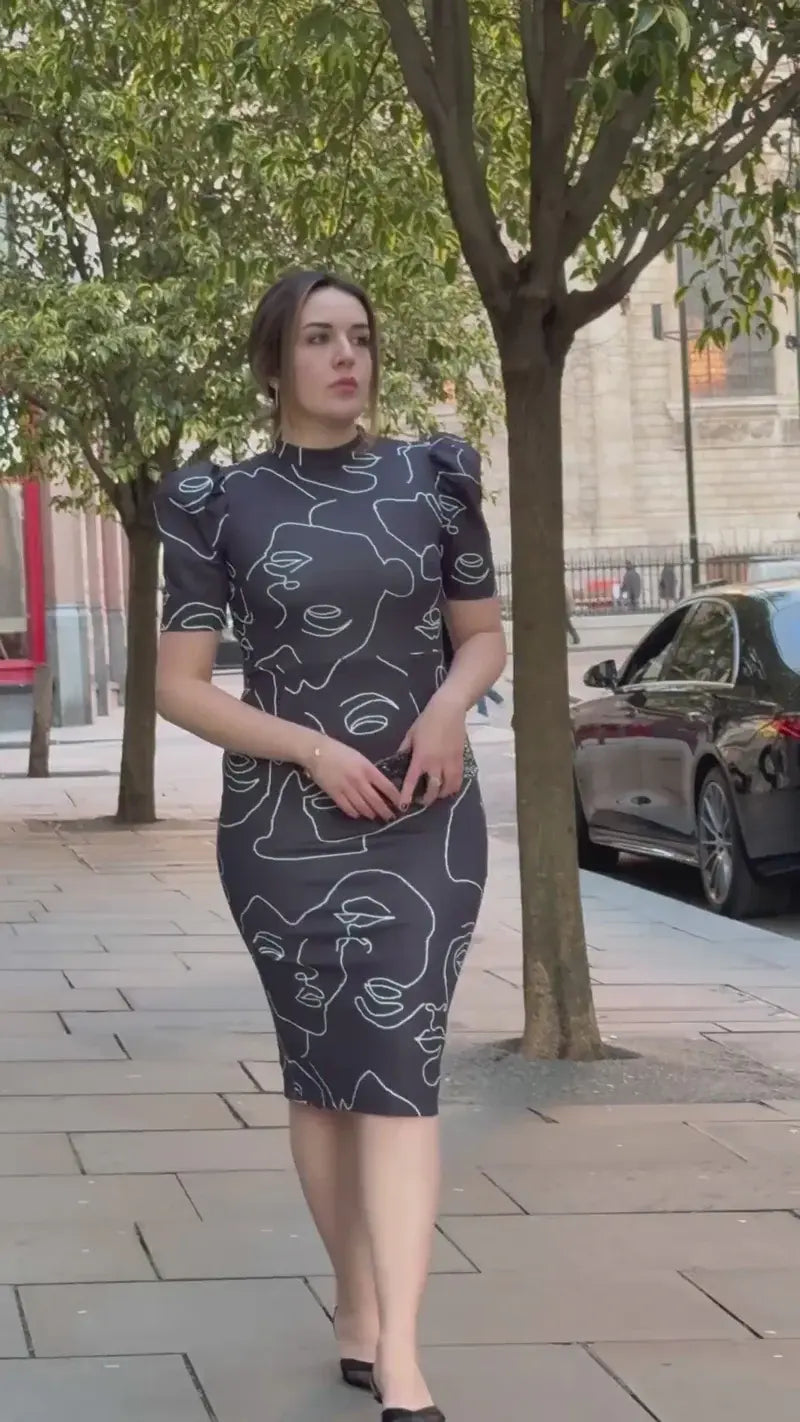
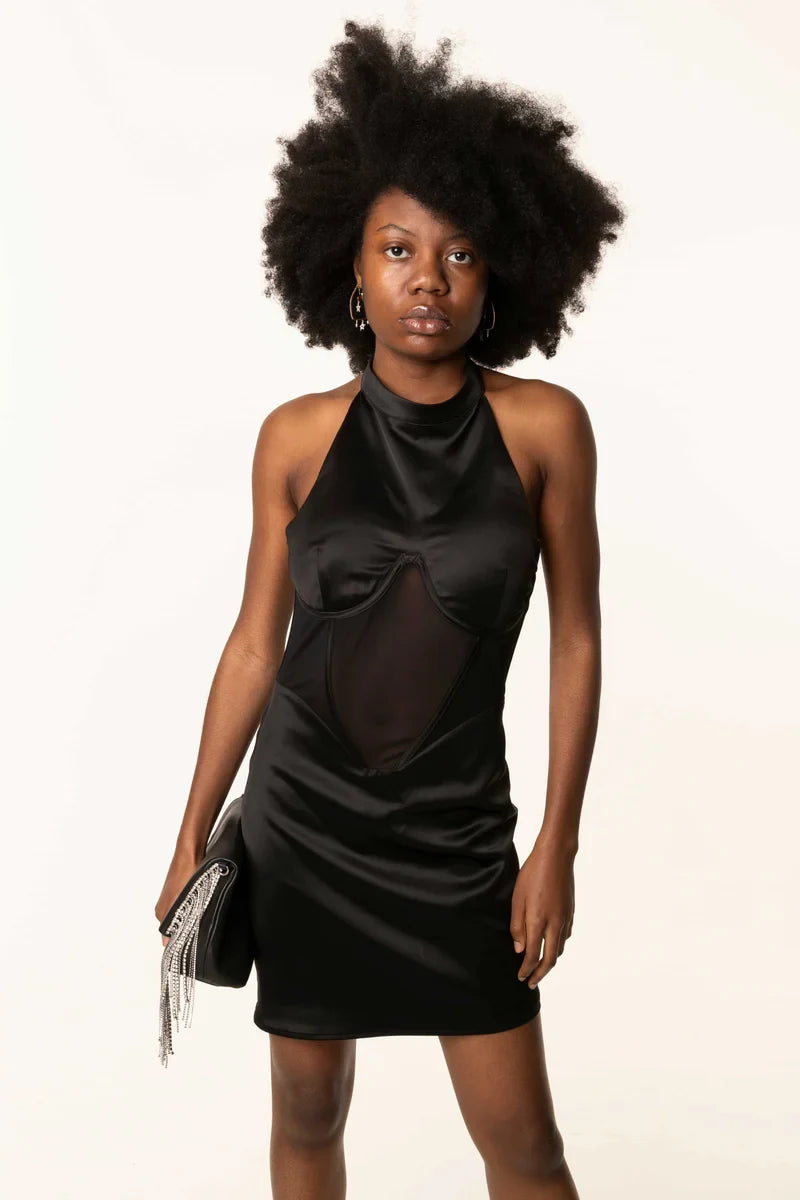
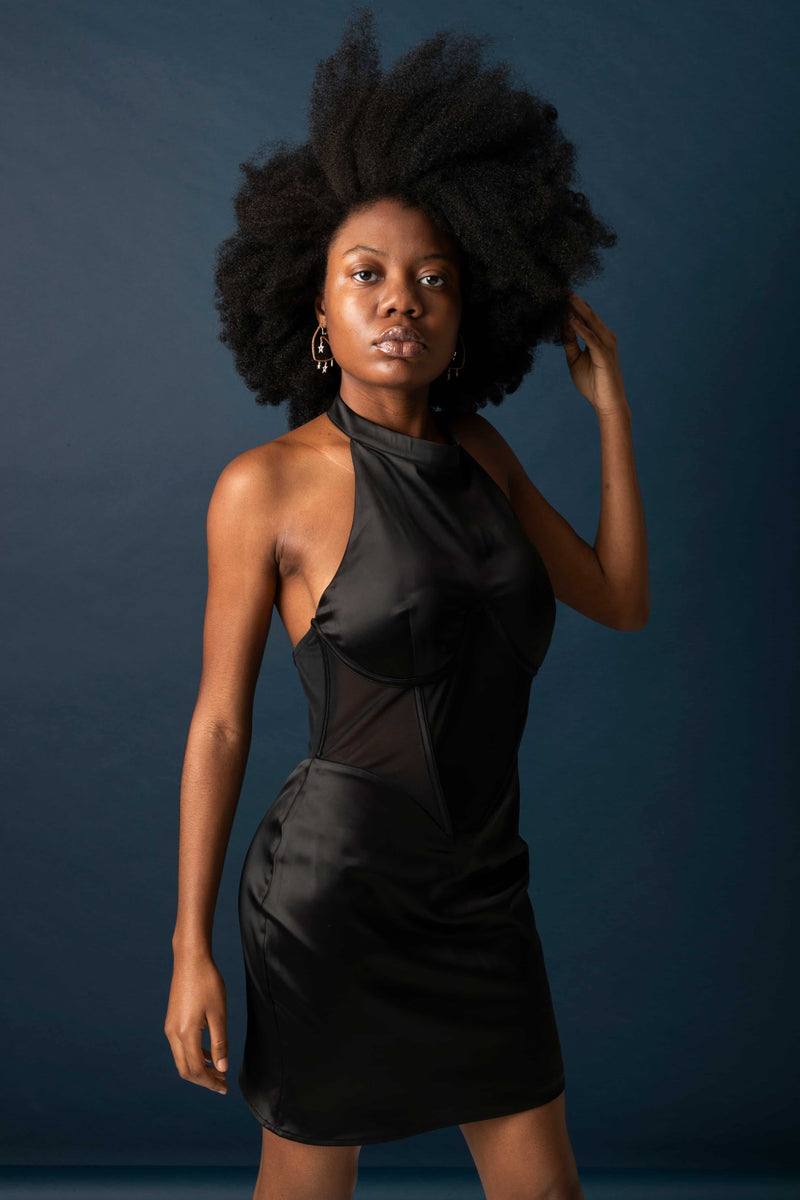
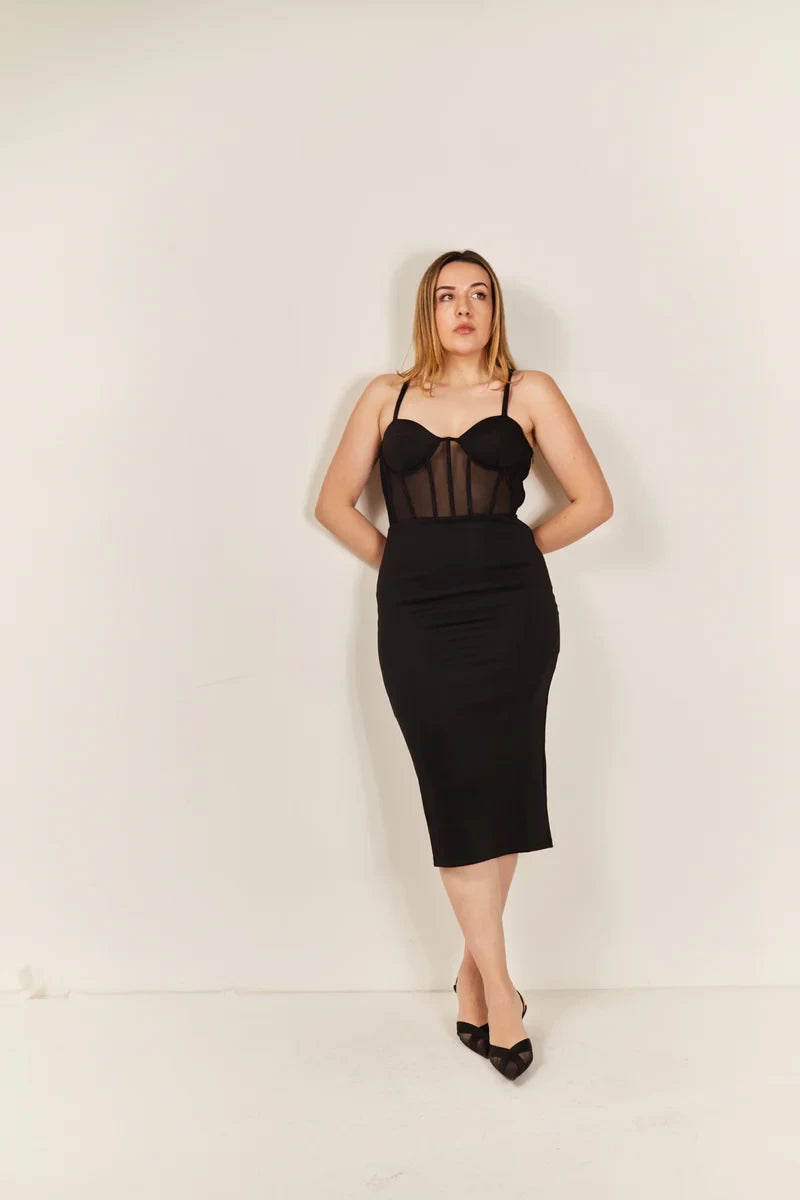
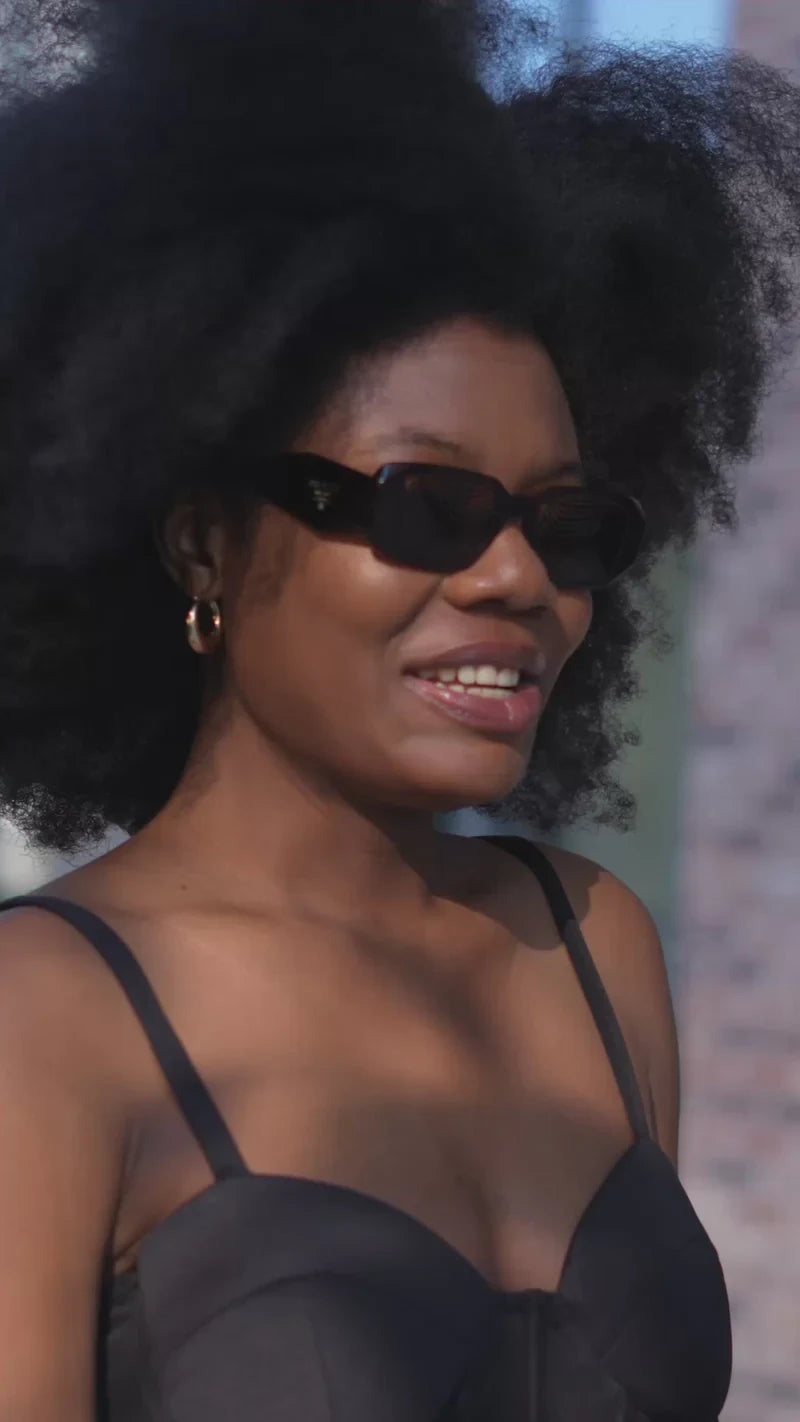
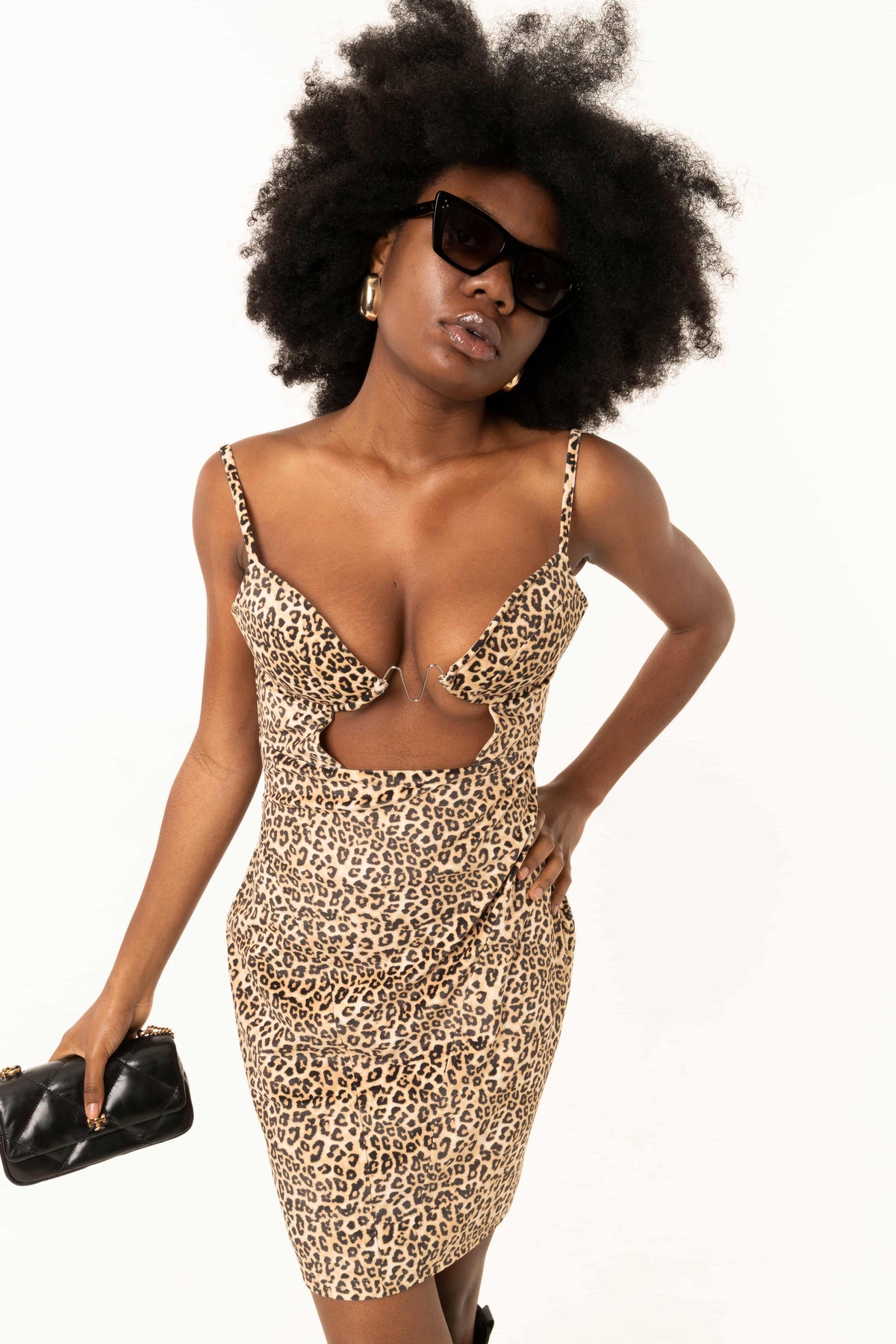
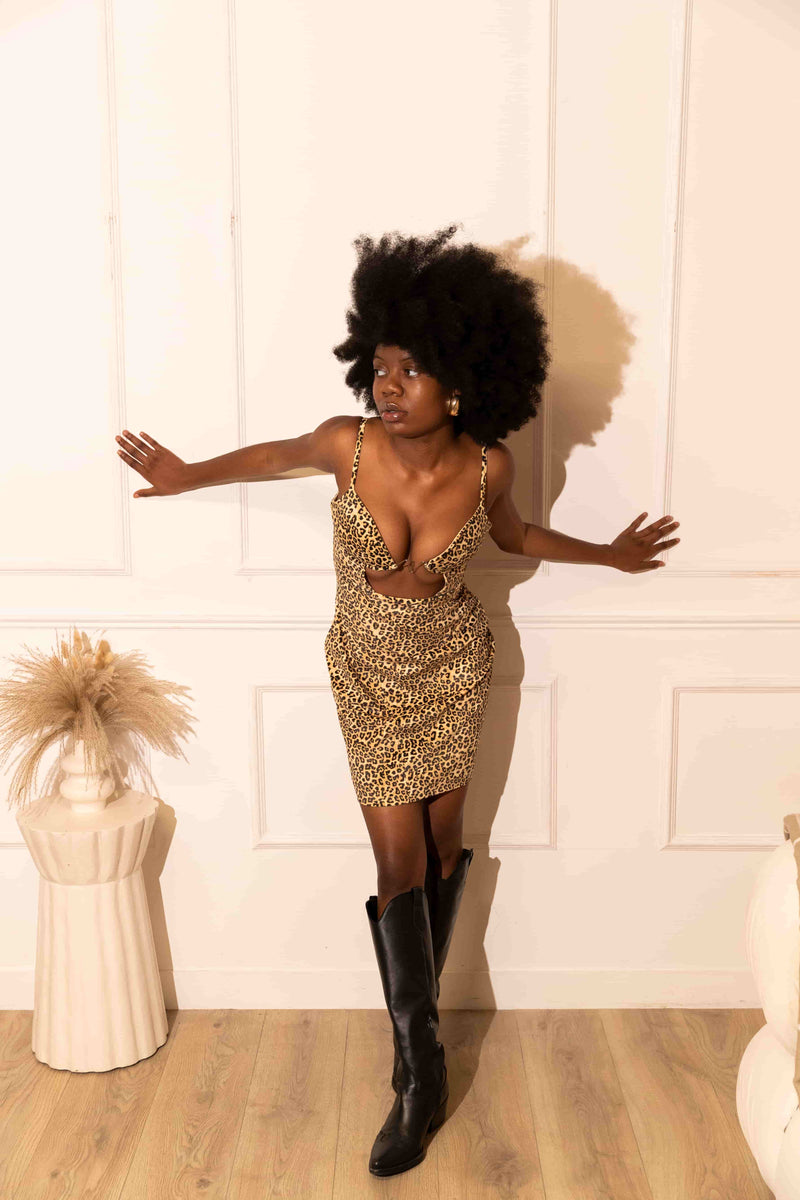
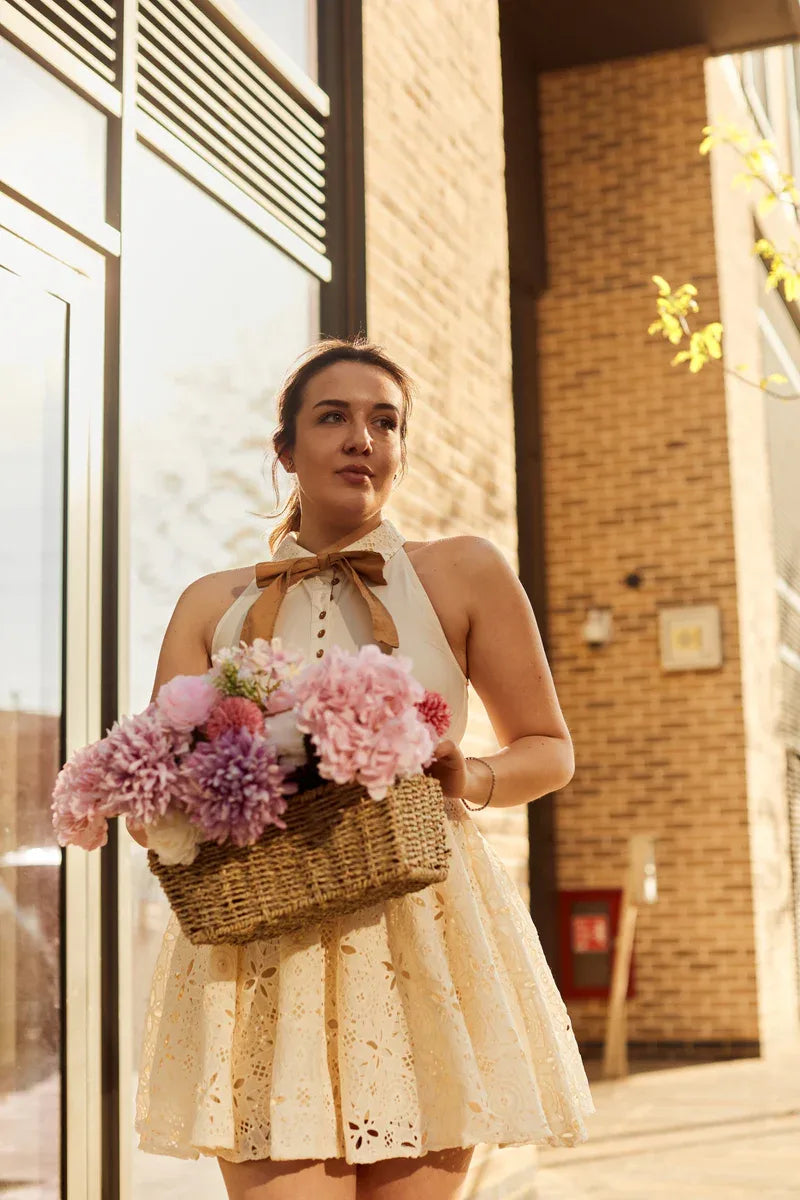
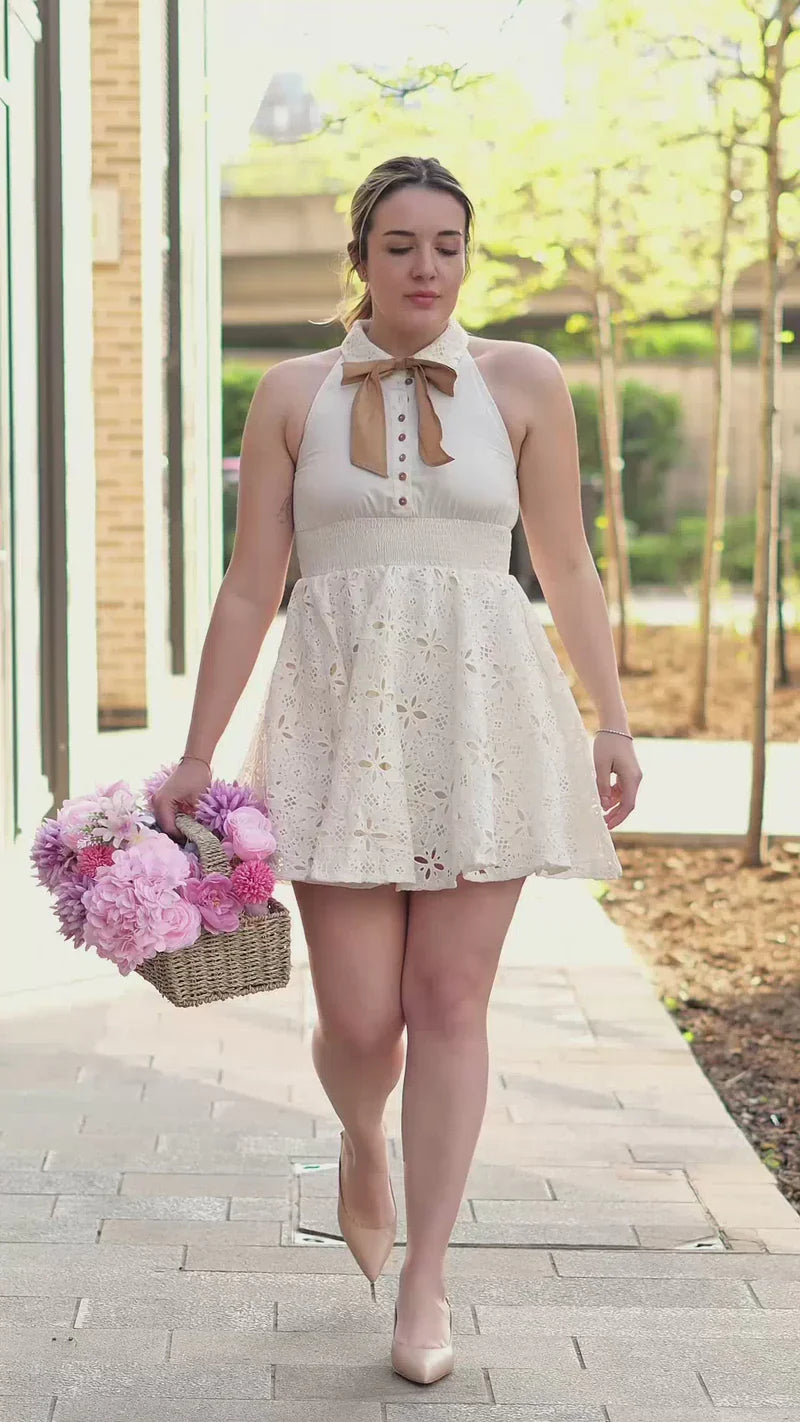
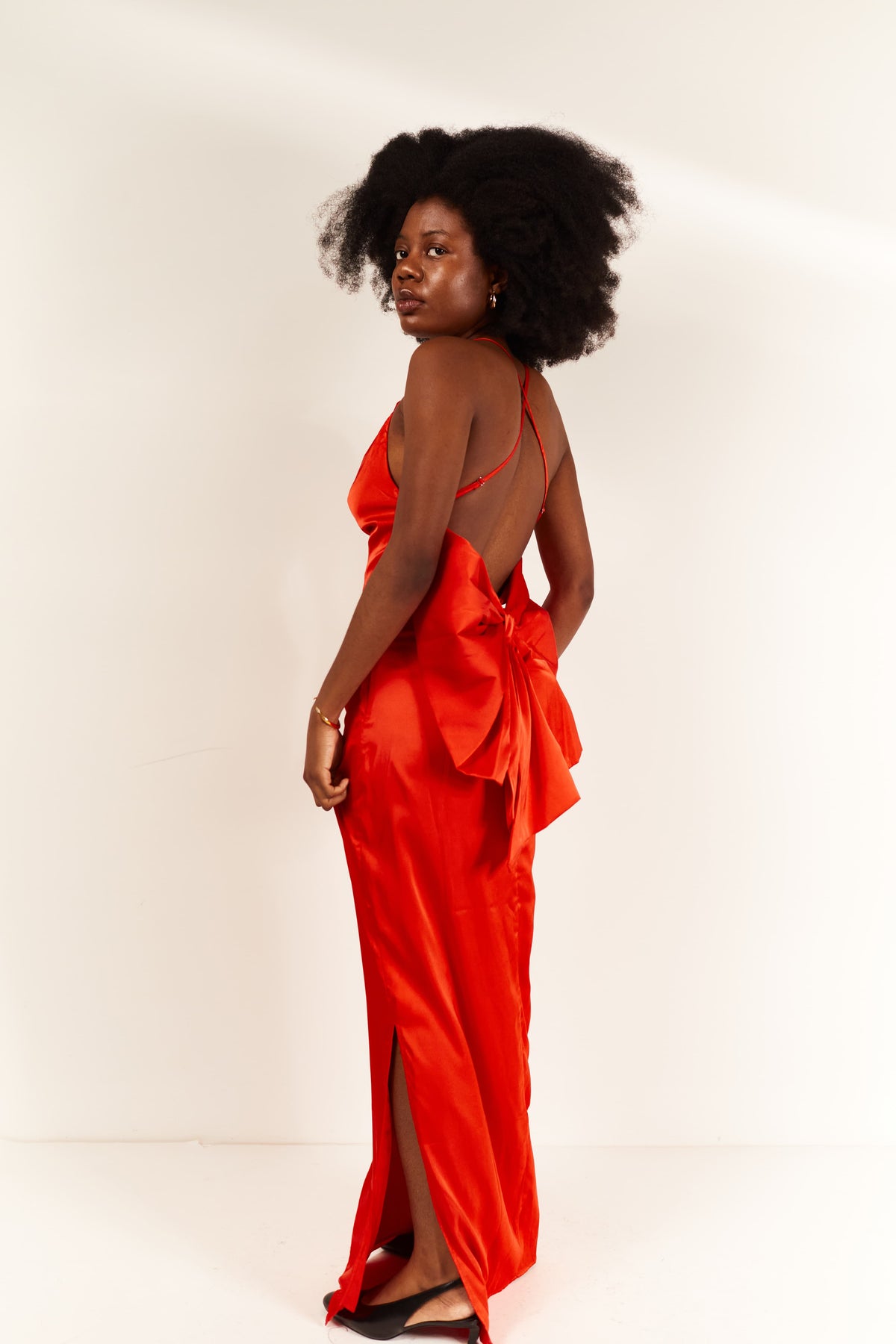
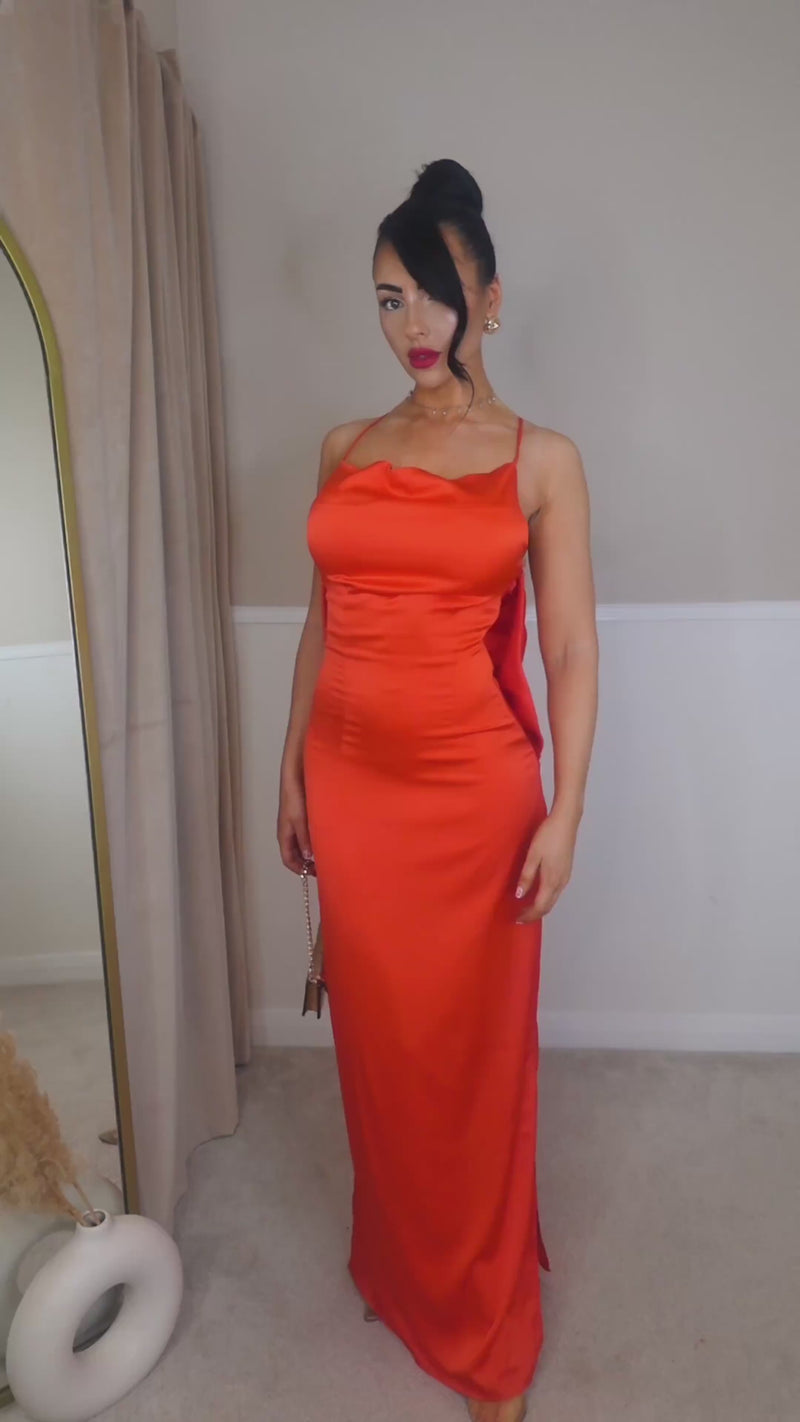
Dresses for women remain the cornerstone of versatile, elegant wardrobes in 2025, offering endless possibilities for self-expression across every event and season. Whether you're preparing for a professional meeting, a romantic dinner, a weekend brunch, or a formal celebration, the right dress can transform your presence and elevate your confidence. At The GT Fashion, we understand that modern women need outfits that seamlessly transition between different aspects of their lives while maintaining style, comfort, and sophistication.
The fashion landscape has evolved dramatically, with dresses for women now encompassing sustainable fabrics, inclusive sizing, and designs that honor diverse body types and personal aesthetics. At The GT Fashion, we bring you the latest global style trends that reflect these progressive values, ensuring every woman finds pieces that resonate with her unique identity. From minimalist silhouettes to bold statement pieces, today's dress market offers unprecedented variety, making it easier than ever to curate a wardrobe that guarantees compliments at every occasion.
This comprehensive guide explores how to select, style, and wear dresses for women across different settings, incorporating expert insights, 2025 trend forecasts, and practical styling advice. At The GT Fashion, our mission is to empower you with knowledge that transforms shopping into a confident, informed experience, helping you invest in pieces that serve multiple purposes while reflecting your personal brand.
What Types of Dresses Should Every Woman Own in 2025?
Dresses for women in 2025 prioritize versatility, with capsule wardrobe essentials forming the foundation of a compliment-worthy collection. The contemporary woman's closet benefits from strategic investment pieces that transcend fleeting trends while remaining relevant across seasons and occasions.
The little black dress continues its reign as a non-negotiable staple, but 2025's iteration incorporates sustainable materials and modern cuts that feel fresh rather than formulaic. Consider midi-length options with interesting necklines, asymmetrical hemlines, or subtle texture details that add visual interest without overwhelming the silhouette. These updated classics work equally well for business presentations, cocktail events, and evening dinners.
Dresses for women now include midi and maxi lengths as essential categories, reflecting the shift toward modest, elegant proportions. Flowing maxi dresses in breathable fabrics like organic cotton, Tencel, or linen blends offer effortless sophistication for daytime events, while structured midi dresses with defined waistlines create polished looks for professional settings. The key is selecting pieces with clean lines and quality construction that withstand repeated wear.
Statement dresses deserve space in every wardrobe for moments requiring memorable impact. Bold prints, vibrant colors, or architectural details transform special occasions into opportunities for confident self-expression. According to recent fashion retail data, consumers increasingly seek dresses that photograph well for social media while feeling comfortable for extended wear, driving designers toward photogenic silhouettes with practical features.
How Do You Choose the Perfect Dress for Work and Professional Events?
Dresses for women in professional contexts balance authority with approachability, requiring thoughtful consideration of fabric, fit, and styling details. The modern workplace dress code has relaxed considerably, yet maintaining polished presentation remains crucial for career advancement and professional credibility.
Sheath dresses in structured fabrics offer timeless professionalism, particularly in neutral colors like navy, charcoal, camel, or deep burgundy. These silhouettes create clean lines that photograph well in professional contexts while allowing freedom of movement during active workdays. Look for dresses with sleeves or pair sleeveless options with tailored blazers for added versatility across different office environments and temperature-controlled spaces.
Dresses for women working in creative industries can embrace more experimental elements while maintaining professional polish. Midi-length wrap dresses in subtle prints, shirt dresses in premium cotton, or A-line styles with interesting collar details strike the balance between personality and professionalism. The wrap dress particularly deserves attention as a universally flattering style that accommodates fluctuating body sizes while projecting confidence and sophistication.
Fabric selection significantly impacts professional appropriateness, with heavier materials like ponte knit, wool blends, and structured cotton conveying more authority than lightweight, flowing fabrics. Dresses for women attending important presentations or meetings benefit from fabrics that resist wrinkles and maintain structure throughout long days, ensuring you look as polished at evening networking events as you did during morning meetings.
Which Dress Styles Work Best for Casual Weekend Outings?
Dresses for women during leisure time prioritize comfort without sacrificing style, reflecting the broader athleisure influence that continues shaping fashion in 2025. Weekend dressing has become an art form that balances relaxation with put-together aesthetics, particularly as casual social gatherings remain central to modern social life.
T-shirt dresses in organic cotton jersey offer effortless cool for running errands, weekend brunches, or casual coffee dates. These simple silhouettes become statement pieces when styled with interesting accessories, structured jackets, or bold footwear. The beauty of t-shirt dresses lies in their democratic appeal-they flatter various body types while requiring minimal styling effort.
Dresses for women seeking elevated casual looks include midi shirt dresses in linen or chambray, offering breathability and relaxed structure simultaneously. These pieces transition seamlessly from farmers' markets to casual lunches with friends, particularly when styled with comfortable sandals or sneakers. The shirt dress aesthetic channels relaxed sophistication that feels intentional rather than overly casual.
Flowy sundresses and peasant-style dresses dominate warm-weather casual wear, with sustainable fabrics and artisanal details adding value beyond basic construction. Dresses for women in these categories often feature embroidery, crochet accents, or hand-blocked prints that support ethical fashion initiatives while delivering visual interest. At The GT Fashion, we prioritize pieces that tell stories through craftsmanship while maintaining accessible price points.
What Are the Best Dress Options for Romantic Date Nights?
Dresses for women planning romantic evenings require strategic selection that balances allure with authenticity, ensuring you feel confident and comfortable throughout the experience. Date night dressing has evolved beyond restrictive, overtly sexy options toward sophisticated pieces that enhance rather than disguise your natural presence.
Wrap dresses in luxurious fabrics like silk or satin create inherently flattering silhouettes that suggest elegance and femininity without excessive exposure. The adjustable nature of wrap styles allows personalized fit adjustments, ensuring comfort during multi-course dinners or evening activities. Choose rich jewel tones like emerald, sapphire, or ruby for immediate visual impact that photographs beautifully in restaurant lighting.
Dresses for women seeking modern romance might explore slip dress styles that channel 90s minimalism with contemporary updates. These sleek, body-skimming silhouettes work particularly well for upscale restaurants or cultural events, offering understated glamour that feels effortless. Layer slip dresses with tailored blazers or leather jackets during cooler months, creating dimension while maintaining the delicate aesthetic.
Bodycon dresses remain relevant for date nights when styled thoughtfully, emphasizing quality fabrics and appropriate length. Dresses for women in this category should feature strategic ruching, asymmetrical necklines, or interesting back details that add visual interest beyond basic body-conscious fits. The key is selecting pieces that celebrate your figure without appearing overly revealing, maintaining sophistication alongside allure.
How Should You Dress for Formal Events and Celebrations?
Dresses for women attending weddings, galas, or formal celebrations require understanding dress codes while expressing personal style within established parameters. Formal dressing presents opportunities for sartorial creativity that everyday life rarely accommodates, making these occasions special for both hosts and guests.
Floor-length gowns remain the gold standard for black-tie events, with 2025 trends favoring clean silhouettes over heavily embellished designs. Look for dresses featuring architectural details like dramatic sleeves, unexpected cutouts, or sculptural draping that create visual interest through form rather than excessive decoration. Sustainable luxury fabrics like peace silk or recycled polyester satin offer guilt-free glamour for environmentally conscious consumers.
Dresses for women navigating semi-formal dress codes benefit from elegant midi lengths in luxurious fabrics with subtle embellishments. Cocktail dresses in structured materials with interesting necklines or sleeve details strike appropriate balances between dressed-up and overly formal. Consider pieces in sophisticated color palettes-dusty rose, champagne, navy, or forest green-that photograph beautifully while avoiding competition with bridal parties or event themes.
Guest wedding dresses present specific challenges requiring cultural awareness and etiquette understanding. Dresses for women attending weddings should avoid white, cream, or ivory unless explicitly approved by hosts, and should respect religious or cultural dress codes when applicable. Opt for midi or maxi lengths in vibrant prints or solid jewel tones, ensuring your outfit celebrates the occasion without overshadowing the couple.
What Seasonal Considerations Impact Dress Selection?
Dresses for women must account for seasonal weather variations while maintaining style integrity across different climates and temperature zones. Strategic layering and fabric selection allow year-round dress wearing, maximizing wardrobe value while reducing unnecessary consumption.
Spring and summer dressing emphasizes lightweight, breathable fabrics like cotton, linen, and sustainable viscose blends that manage heat while maintaining structure. Dresses for women during warmer months often feature shorter sleeves, higher hemlines, and vibrant colors or prints that reflect seasonal optimism. However, 2025 trends also embrace covered-up summer styles-long-sleeved maxi dresses in breathable fabrics offer sun protection while maintaining cool comfort.
Fall and winter dressing requires heavier fabrics and strategic layering without sacrificing dress aesthetics. Dresses for women in colder months benefit from wool blends, velvet, or heavy ponte knit that provide warmth while maintaining elegant drape. Layer dresses over turtlenecks or under structured coats, and pair with tights or tall boots for weather-appropriate styling that doesn't compromise sophistication.
Transitional season dressing presents unique challenges requiring versatile pieces that accommodate unpredictable temperature fluctuations. Dresses for women navigating spring and fall benefit from three-quarter sleeves, midi lengths, and medium-weight fabrics that layer easily. Keep lightweight cardigans, denim jackets, or blazers readily accessible for rapid outfit adjustments throughout changeable weather days.
How Does Sustainable Fashion Influence Dress Choices in 2025?
Dresses for women increasingly reflect ethical consumption values, with sustainable fashion transitioning from niche concern to mainstream expectation. According to The GT Fashion's trend insights, 2025 marks a pivotal year where eco-conscious choices no longer require aesthetic compromise, with sustainable options matching or exceeding conventional alternatives in style, quality, and affordability.
Sustainable fabric innovations dominate contemporary dress production, including organic cotton, Tencel lyocell, recycled polyester, and innovative materials like mushroom leather or pineapple fiber. Dresses for women crafted from these materials offer enhanced breathability, improved durability, and reduced environmental impact compared to conventional fabrics. Consumers report high satisfaction with sustainable dress performance, noting better longevity and maintained appearance through repeated wear cycles.
Circular fashion principles influence purchasing decisions, with women increasingly selecting dresses based on versatility, timelessness, and resale potential. Dresses for women designed for multi-occasion wear reduce overall consumption while maximizing value per wear, aligning financial practicality with environmental responsibility. Investment pieces in classic silhouettes and neutral colors maintain relevance across seasons, supporting sustainable wardrobe strategies.
Transparency in supply chains has become a deciding factor for conscious consumers selecting dress brands. Women increasingly research production practices, labor conditions, and material sourcing before purchases, supporting companies demonstrating genuine commitment to ethical operations. This shift has forced fashion retailers to prioritize authenticity over greenwashing, creating tangible improvements throughout the industry.
What Role Do Accessories Play in Dress Styling?
Dresses for women achieve maximum impact through thoughtful accessorizing that personalizes basic silhouettes while adapting outfits across different occasions. Strategic accessory selection transforms single dresses into multiple distinct looks, maximizing wardrobe versatility while supporting sustainable consumption patterns.
Footwear dramatically alters dress aesthetics, with shoe selection determining overall outfit formality and style direction. Dresses for women paired with sneakers create contemporary casual looks perfect for daytime activities, while the same dress with heeled sandals or pumps transitions seamlessly to evening events. Ankle boots add edge to feminine dresses, creating interesting style juxtapositions that feel current and intentional.
Jewelry provides opportunities for personality expression without permanent commitment, allowing experimental style exploration through temporary additions. Dresses for women in simple silhouettes serve as blank canvases for statement necklaces, bold earrings, or layered bracelets that reflect individual aesthetic preferences. Conversely, dresses with built-in embellishments or interesting necklines benefit from minimal jewelry that allows garment details to shine.
Bags, belts, and outerwear complete dress styling while serving practical functions. Dresses for women benefit from belt additions that define waistlines and alter proportions, particularly for loose or unstructured silhouettes. Structured blazers or leather jackets add polish or edge respectively, while bag selection signals occasion appropriateness-clutches suggest formality while crossbody bags indicate casual practicality.
How Can You Build a Compliment-Worthy Dress Wardrobe on Any Budget?
Dresses for women needn't require excessive spending to achieve stylish, versatile wardrobes that generate consistent compliments. Strategic shopping approaches maximize value while building collections that serve diverse needs across professional, social, and casual contexts.
Investment pieces deserve budget priority, with quality classic dresses in versatile styles justifying higher price points through extended wear and timeless relevance. Dresses for women in this category include little black dresses, tailored sheath dresses, and elegant wrap dresses in neutral colors that accommodate multiple styling approaches. Calculate cost-per-wear when evaluating expensive pieces, recognizing that dresses serving multiple occasions offer superior value compared to trend-driven options with limited applicability.
Trend pieces can be sourced affordably through fast-fashion retailers or secondhand platforms, allowing style experimentation without significant financial commitment. Dresses for women following current trends-whether specific prints, silhouettes, or color palettes-face rapid obsolescence as fashion cycles accelerate, making budget-conscious purchases appropriate for these items. Reserve experimental purchases for items you genuinely love rather than purchases motivated solely by trend participation.
Secondhand and vintage shopping offers sustainable, budget-friendly alternatives for building unique dress collections. Dresses for women sourced through consignment stores, online resale platforms, or vintage boutiques provide one-of-a-kind pieces at fraction of original retail prices while supporting circular fashion economies. Quality vintage dresses often feature superior construction and unique details unavailable in contemporary fast fashion, delivering exceptional value alongside environmental benefits.
Conclusion
Dresses for women in 2025 offer unprecedented variety, quality, and ethical considerations, empowering every woman to build wardrobes that reflect personal values alongside aesthetic preferences. From professional settings to romantic evenings, casual weekends to formal celebrations, the right dress selection ensures confidence and compliments across every context.
At The GT Fashion, we remain committed to providing curated selections that honor diverse bodies, budgets, and style sensibilities while prioritizing sustainability and ethical production. Building a compliment-worthy dress wardrobe requires thoughtful consideration of versatility, quality, and personal style rather than chasing every passing trend.
The modern approach to dress wearing celebrates individuality, comfort, and conscious consumption, recognizing that true style emerges from authentic self-expression rather than rigid adherence to external standards. By investing in pieces that genuinely resonate with your lifestyle and aesthetic, you create a wardrobe that serves you reliably while projecting the confidence that inevitably attracts admiration and compliments.
Frequently Asked Questions
What is the most versatile dress style for multiple occasions?
The wrap dress remains the most versatile style for women, offering adjustable fit, universally flattering proportions, and seamless transitions between casual and formal contexts. Midi-length wrap dresses in solid colors or subtle prints can be dressed up with heels and jewelry for evening events or dressed down with sneakers and denim jackets for daytime wear.
How many dresses should a woman own?
A functional wardrobe typically includes 8-12 dresses covering essential categories: one little black dress, two professional work dresses, two casual weekend dresses, one formal occasion dress, one date night dress, and 2-3 seasonal dresses. This range provides adequate variety without overconsumption, with exact numbers varying based on lifestyle and climate.
What dress colors are most flattering for different skin tones?
While personal preference matters most, general guidelines suggest jewel tones (emerald, sapphire, ruby) flatter deeper skin tones, while pastels and earth tones complement lighter complexions. However, 2025 fashion celebrates breaking traditional color rules, encouraging women to experiment with unexpected palettes that express personality rather than following restrictive formulas.
How can you make affordable dresses look expensive?
Quality accessories elevate affordable dresses significantly-invest in structured bags, classic footwear, and simple gold or silver jewelry. Proper fit is crucial; budget for tailoring to ensure dresses fit perfectly at shoulders, bust, and length. Steam or iron dresses before wearing, and choose solid colors or subtle prints over loud patterns that signal budget origins.
What dress length is appropriate for women over 40?
No universal dress length rules apply based solely on age. Women over 40 should select lengths based on personal comfort, body proportions, and occasion appropriateness rather than arbitrary age restrictions. Midi lengths offer sophisticated versatility, but knee-length, maxi, and even mini dresses remain appropriate when styled with confidence and context awareness.
Are bodycon dresses still in style for 2025?
Bodycon dresses remain relevant in 2025 but have evolved toward more relaxed, forgiving fits that suggest rather than cling to body contours. Modern iterations incorporate strategic ruching, midi lengths, and quality fabrics that create flattering silhouettes without restrictive compression. The emphasis has shifted from tight display toward confident, comfortable body celebration.